Roebling Labs LLC
We deploy vessel collision warning systems for vulnerable bridges.
Roebling Labs assigns real-time threat levels to AIS-equipped vessels by combining transponder tracking, trajectory forecasting, and AASHTO impact analysis.
We deploy vessel collision warning systems for vulnerable bridges.
Roebling Labs assigns real-time threat levels to AIS-equipped vessels by combining transponder tracking, trajectory forecasting, and AASHTO impact analysis.
The Francis Scott Key Bridge collapse, with a life-loss of six and cost to society of five billion dollars, triggered an NTSB investigation that identified 68 potentially vulnerable bridges across the U.S.A. These bridges were built before 1996 over navigation channels serving ocean-going vessels and had not yet received modern risk assessments. As of April 2026, 45 bridges remain on the NTSB's vulnerable list as risk assessments are completed.

Figure 1: Francis Scott Key Bridge collapsed after contact with containership Dali on 28 March 2024. (Source: NTSB)
The twenty owner agencies responsible for the NTSB-named vulnerable bridges received letters on 10 December 2025 with safety recommendations enclosed.
NTSB Safety Recommendation H-25-030: "Incorporate motorist warning systems capable of activating when a threat is identified and immediately warn and stop motorists from entering the bridge."
Standards for installing traffic gates and marine radios are well established at movable bridges, for example. This NTSB recommendation implies that traffic gates be retrofitted to existing, vulnerable long-span bridges.
Bridge owners need vessel threat information to support time-critical decisions about operating traffic gates, contacting aberrant vessels, and protecting bridge users.
Roebling Labs builds vessel collision warning systems for vulnerable bridges.
The system assigns threat levels to AIS-equipped vessels by combining real-time transponder tracking, trajectory forecasting, and AASHTO impact analysis.
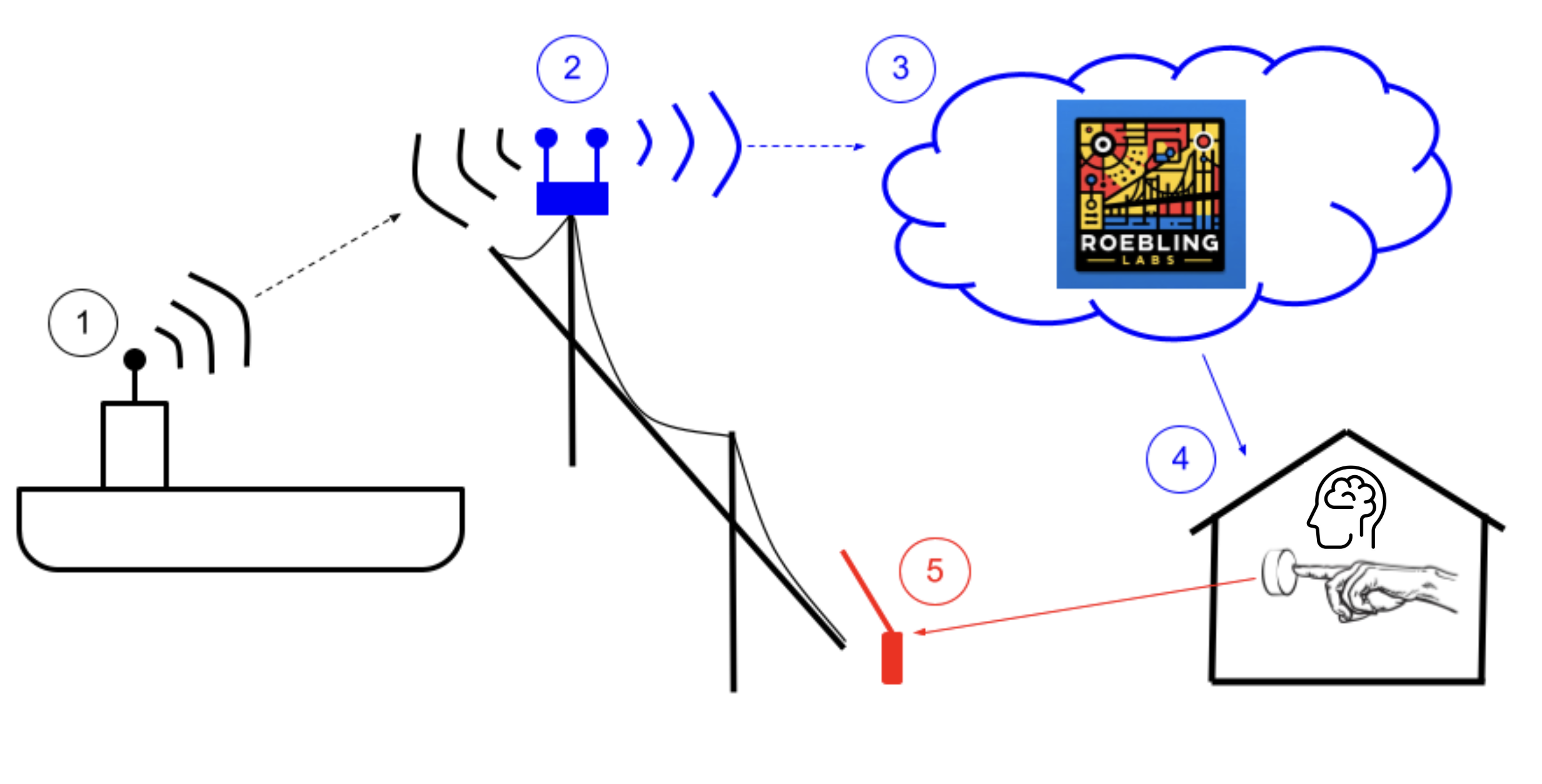
Figure 2: Schematic of Vessel Collision Warning System
Note: Roebling Labs' system provides risk information on AIS-equipped vessels to support decisions by bridge operators.
Optional computer vision enhancement adds visual verification of vessel data and detection of non-AIS vessels, such as a loose barge. Visual recordings support post-incident investigation and improvement of the threat assessment algorithm.
We provide real-time risk assessment of AIS-equipped vessels based on the probability of aberrancy and consequence of collision.
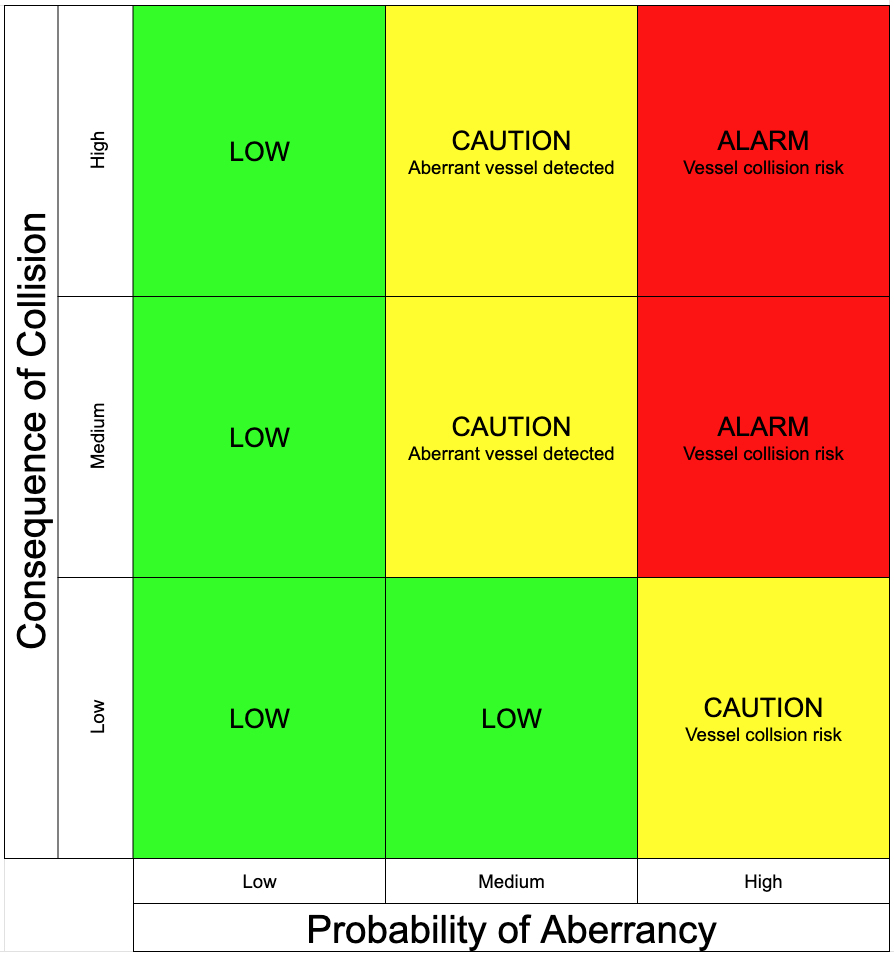
Figure 3: Risk Matrix for Assessing Vessel Threat
Roebling Labs operates a vessel collision warning system deployed at a site adjacent to the Tobin Bridge in Boston, Massachusetts. Operational since January 2026, including through multiple blizzards, it has tracked hundreds of vessels. This system is a proof-of-concept deployment. Roebling Labs is actively iterating threat assessment algorithms using the real-world data gathered from this site.
The hardware box, shown in Figure 4 below, is approximately the size of a shoebox plus an antenna. The antenna receives AIS transmissions from vessels. A computer inside processes the data and a cellular modem transmits relevant data to the cloud. The box is powered from a standard 120v outlet.
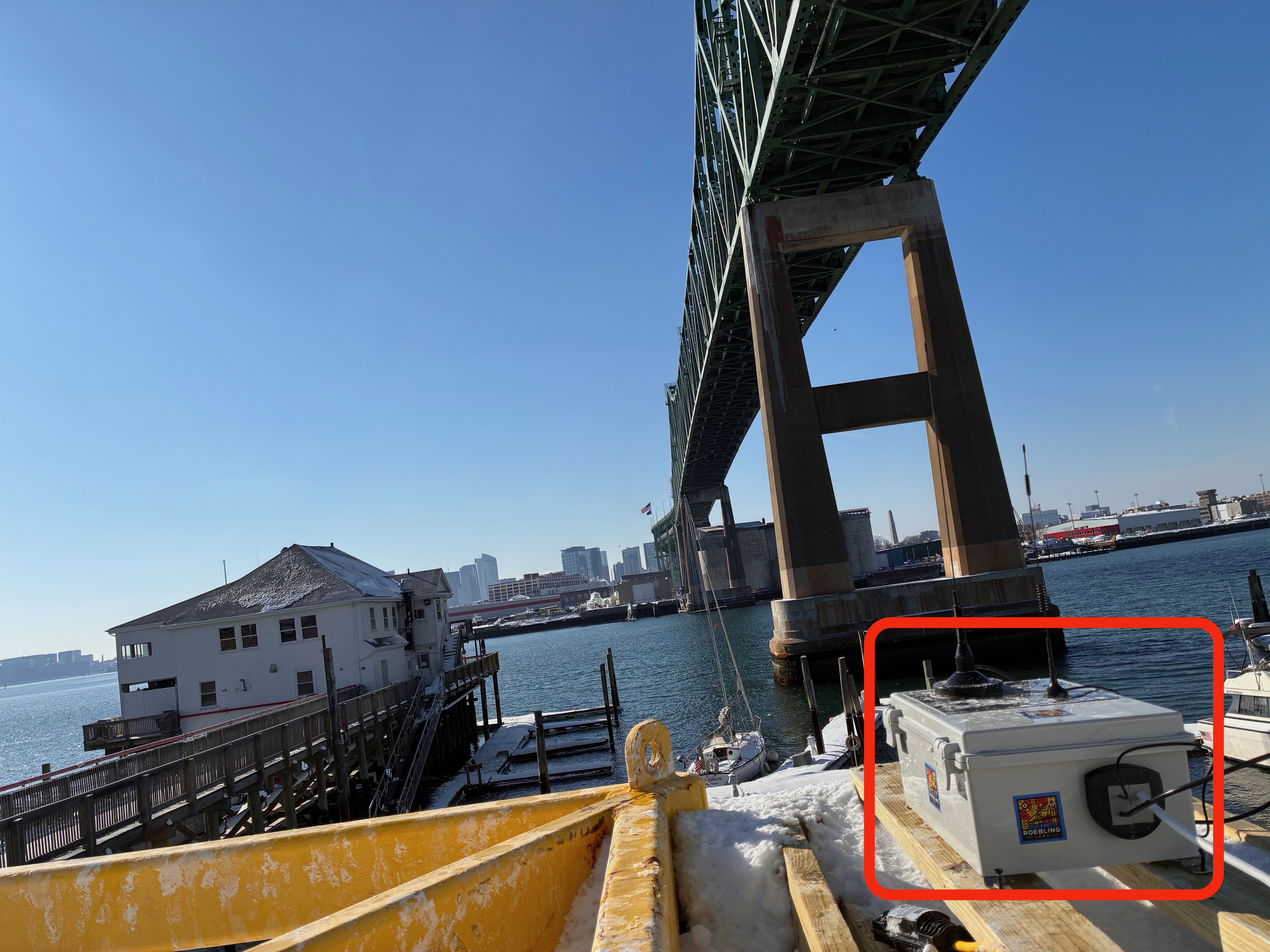
Figure 4 - Hardware Box at Tobin Bridge
The dashboard displays real-time information on local vessel traffic. In a production deployment, bridge operators use this interface to monitor approaching vessels and receive collision threat alerts. See Figure 5 screenshot below for an example dashboard.

Figure 5 - Screenshot of Dashboard at Tobin Bridge
Link to Live Dashboard — Explore the interface yourself.
The vessel history screen facilitates detailed searches of point-by-point data. In a production deployment, this tool supports detailed investigations of incidents, including collisions, near-misses, and false alarms. Vessel history data allows Roebling Labs to improve our threat assessment algorithm over time. As an example, users can compare forecasted versus actual trajectories. See Figure 6 for an example screenshot.

Figure 6 - Vessel History Screen at Tobin Bridge
Link to Vessel History Screen — Search Point-by-Point Data
Roebling Labs builds vessel collision warning systems for vulnerable bridges.
Bentley Systems, the makers of Microstation CADD software, funded our development program.
We are a resident company at The Engine, the "Tough Tech" incubator built by MIT.
Office and Mailing Address:
Roebling Labs LLC
The Engine
750 Main Street
Cambridge MA, 02139


Scott Snelling, PE is CEO. He has 25+ years of bridge engineering experience having led complex projects across the U.S. and abroad.
Scott began his career at WSP and U.S. Army Corps of Engineers. He has degrees from Columbia University in the City of New York (M.S. Structural Eng.), Rose-Hulman Institute of Technology (B.S. Mechanical Eng.), and Boston University (M.B.A.).
LinkedIn: Scott Snelling


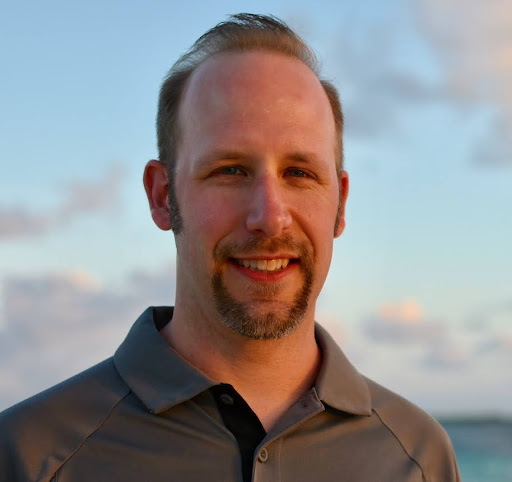
Josh Burnett is Chief Technical Officer (CTO). He has 25+ years experience working at the intersection of electronics, hardware and software for life-safety-critical medical devices and laboratory instrumentation.
Josh has degrees from Carnegie Mellon University (B.S. Mechanical Engineering with Data Storage Systems minor) and Boston University (M.S. Mechanical Engineering with focus on Robotics and Controls).
LinkedIn: Josh Burnett


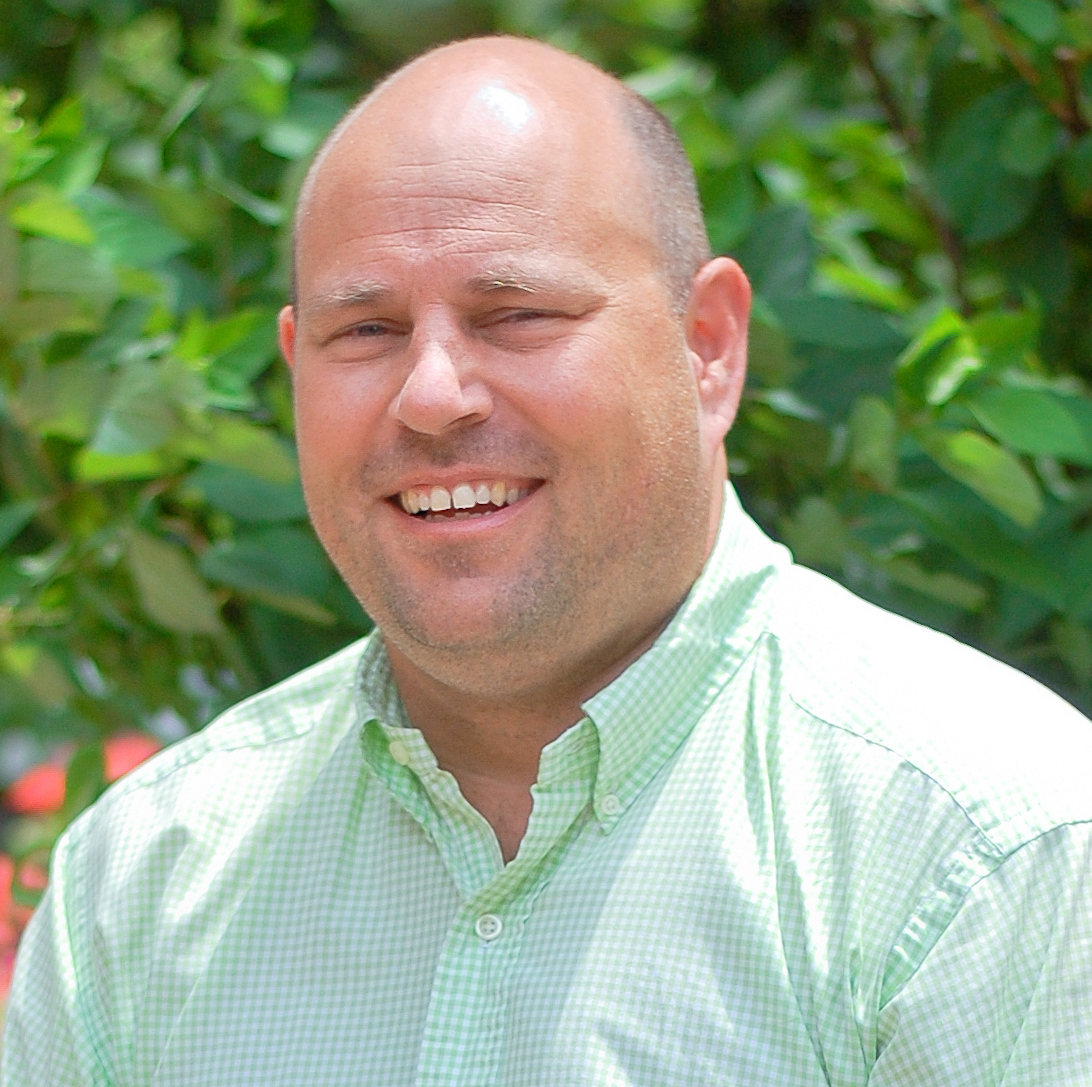
Shaun Meredith is a computer vision expert, former Navy submarine officer, and MIT graduate. He is the Founder and CTO of Omnic.ai.
LinkedIn: Shaun Meredith

Email scott@roeblinglabs.com to schedule a demonstration.
Follow our journey.